The relationship between usa iran has captured global attention for decades. It’s a story marked by deep historical ties, sharp conflicts, and now, in 2026, a glimmer of diplomatic possibility amid ongoing tensions. Despite rocky patches, including recent military flare-ups and nuclear concerns, there’s reason to stay optimistic. Dialogue persists, and both sides seem to recognize that cooperation could bring stability to the Middle East and beyond. This article dives deep into the usa iran dynamic, exploring its past, present, and potential future with an eye toward positive outcomes.

These maps illustrate the geographical distance between the United States and Iran, highlighting how two distant nations became so intertwined in global affairs.
Early Ties: From Allies to Growing Strains
Back in the mid-20th century, usa iran relations looked quite promising. The United States viewed Iran as a key partner in the Cold War era. Under Shah Mohammad Reza Pahlavi, Iran received substantial American support, including military aid and economic assistance. This partnership helped modernize Iran’s infrastructure and bolster its defenses against Soviet influence.
Yet, cracks began to appear. Many Iranians felt that U.S. involvement, especially the 1953 coup that ousted Prime Minister Mohammad Mossadegh, bred resentment. Although the U.S. aimed to secure oil interests and counter communism, this event sowed seeds of distrust that would later bloom into open hostility.
The 1979 Revolution: A Turning Point
Everything changed dramatically in 1979. The Islamic Revolution toppled the Shah, and Ayatollah Ruhollah Khomeini emerged as Iran’s new leader. Anti-American sentiment ran high, culminating in the infamous hostage crisis at the U.S. Embassy in Tehran. For 444 days, 52 Americans were held captive, an ordeal that deeply scarred bilateral ties.
This episode didn’t just strain diplomacy; it severed official relations. The U.S. imposed sanctions, and Iran labeled America the “Great Satan.” What was once a strategic alliance turned into one of the most enduring rivalries in modern history.
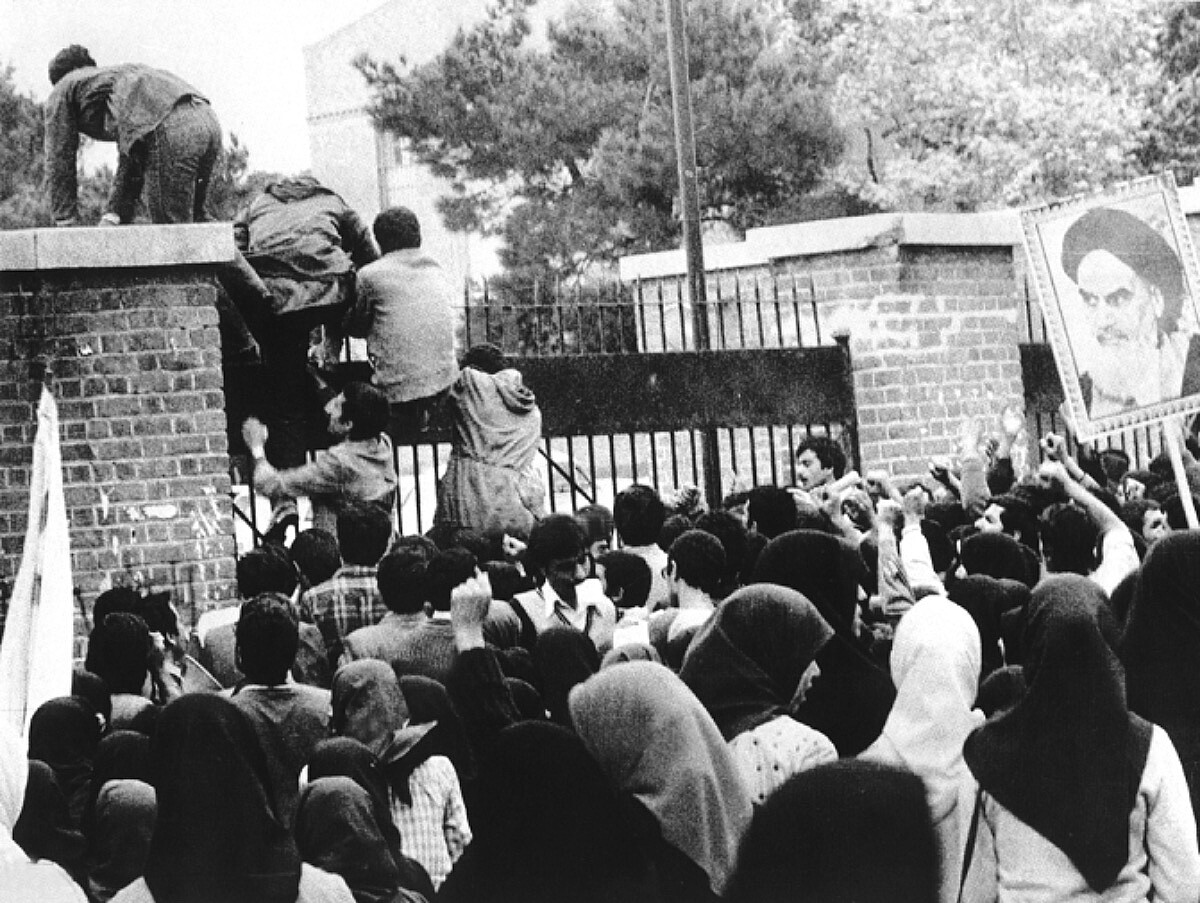
These historical images capture the intensity of the 1979 hostage crisis, a pivotal moment that redefined usa iran relations for generations.
Decades of Tension: Sanctions, Proxies, and Nuclear Ambitions
Since 1979, usa iran interactions have often revolved around conflict rather than cooperation. The U.S. has accused Iran of sponsoring terrorism through support for groups like Hezbollah and militias in Iraq and Yemen. Iran, in turn, has pointed to American interventions in the region as aggressive meddling.
The nuclear issue stands out as the central flashpoint. In the 2000s and 2010s, Iran’s uranium enrichment program raised alarms worldwide. Fears grew that Tehran might pursue nuclear weapons, prompting harsh international sanctions.
A ray of hope emerged in 2015 with the Joint Comprehensive Plan of Action (JCPOA), commonly called the Iran nuclear deal. This agreement limited Iran’s nuclear activities in exchange for sanctions relief. For a brief period, it seemed diplomacy could prevail. However, in 2018, the U.S. withdrew under President Trump, reimposing “maximum pressure” sanctions. Iran responded by scaling back its commitments, escalating enrichment levels.
Recent Escalations: From Protests to Military Actions
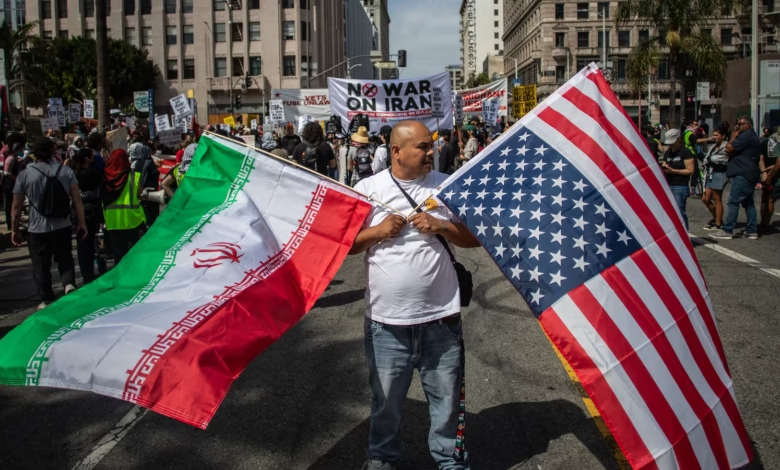
Fast-forward to the mid-2020s, and usa iran tensions reached new heights. Massive anti-government protests swept Iran in late 2025, triggered by economic hardship and currency collapse. The regime’s crackdown drew international condemnation, including from the U.S., which imposed visa restrictions on officials involved in suppressing dissent.
In June 2025, a 12-day conflict involving Israel and Iran saw U.S. intervention, with strikes on Iranian nuclear sites like Natanz, Fordow, and Isfahan. Though the damage set back Iran’s program by months, it didn’t eliminate capabilities entirely. Iran retaliated with missile strikes on U.S. positions, but a ceasefire held, preventing full-scale war.
These events underscored the risks, yet they also opened doors for talks. By early 2026, indirect negotiations resumed in places like Oman, Switzerland, and Geneva.
Current Status in 2026: Diplomacy Amid Pressure
As of February 2026, usa iran relations sit at a delicate crossroads. Talks in Geneva have yielded an understanding on “guiding principles,” with both sides exchanging draft proposals. Iranian Foreign Minister Abbas Araghchi described progress as “constructive,” while U.S. officials note remaining gaps but express willingness to continue.
The Trump administration maintains a firm stance: no nuclear weapons for Iran, limits on ballistic missiles, and curbs on regional proxy support. Iran insists on sovereignty over its programs and immediate sanctions relief. Naval drills by both sides—U.S. carriers in the region and joint exercises with Russia—add pressure, yet neither appears eager for outright conflict.
Experts suggest a limited deal could emerge, perhaps capping enrichment temporarily in return for partial economic relief. Such an accord wouldn’t resolve everything but could lower immediate risks and pave the way for broader stability.
Economic and Cultural Dimensions
Beyond politics, usa iran ties have intriguing non-official layers. Iranian-Americans contribute significantly to U.S. society in fields like tech, medicine, and academia. Cultural exchanges, though limited, remind us of shared human interests—poetry, cuisine, and family values transcend borders.
Economically, sanctions have hurt Iran severely, but they’ve also spurred self-reliance in some sectors. A thaw could unlock opportunities: American businesses eyeing Iran’s energy market, or joint efforts on regional issues like water scarcity.
Paths Forward: Optimism in Tough Times
Looking ahead, usa iran relations hold potential for positive change. Diplomacy, even if slow and frustrating, beats escalation. Regional actors—from Gulf states to Europe—push for de-escalation, fearing spillover from any war.
Both nations face domestic pressures: the U.S. seeks to avoid endless conflicts, while Iran grapples with economic woes and public discontent. Compromise, though challenging, could benefit everyone—stable energy markets, reduced terrorism risks, and a safer Middle East.
In the end, usa iran isn’t just about headlines of tension; it’s about the possibility of turning adversaries into cautious partners. With patience and pragmatism, brighter days lie ahead for this pivotal relationship.
Fazit
To wrap things up, usa iran relations have traveled a long, bumpy road—from alliance to animosity and now toward tentative dialogue in 2026. While challenges like the nuclear file and regional influence persist, ongoing talks signal hope. Diplomacy offers the best shot at mutual understanding and peace. Let’s remain optimistic that wisdom prevails, leading to a more stable world where usa iran can find common ground.
FAQs
1. What is the current status of nuclear talks between usa iran in 2026? As of February 2026, indirect talks in Geneva have made some progress on guiding principles, but major gaps remain on enrichment limits, sanctions relief, and other issues. Both sides plan further discussions, though no final deal is imminent.
2. Why did the U.S. withdraw from the JCPOA? In 2018, the U.S. under President Trump exited the 2015 nuclear deal, arguing it was flawed, temporary in its restrictions, and didn’t address Iran’s missiles or regional activities. This led to renewed sanctions and Iran’s subsequent breaches.
3. Have there been recent military actions between usa iran? Yes, in June 2025, U.S. forces joined Israel in striking Iranian nuclear sites during a short conflict. Iran retaliated with missiles, but a ceasefire followed. Tensions continue with military buildups, yet talks aim to prevent escalation.
4. What role do sanctions play in usa iran relations? Sanctions severely impact Iran’s economy, aiming to pressure Tehran into concessions. Iran seeks their removal as a key demand in talks, while the U.S. ties relief to verifiable nuclear and behavioral changes.
5. Is there hope for improved usa iran relations in the future? Absolutely—ongoing diplomacy, mutual interest in avoiding war, and regional calls for stability create openings. A limited agreement could build trust, reduce risks, and open doors to broader cooperation down the line.