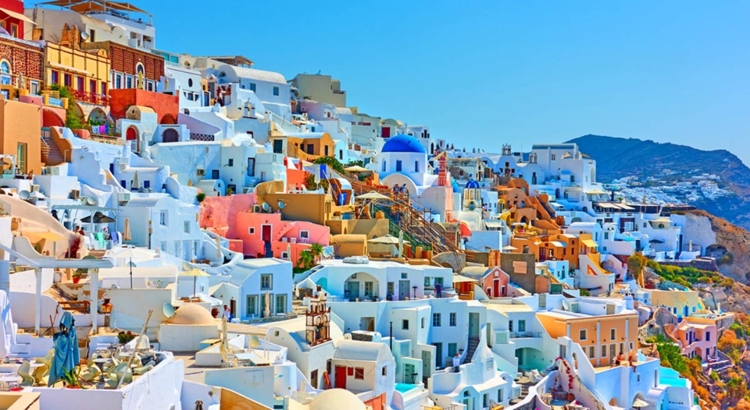
When planning a trip to the stunning island of Crete, you might come across the term “reisewarnung kreta,” which translates to travel warning for Crete in German. Don’t let that phrase scare you off right away—it’s often just a heads-up about potential issues, not a full stop sign. As an expert in travel journalism with years of exploring Mediterranean destinations, I’ve seen how these advisories help keep visitors informed and prepared. Crete, with its rich history, breathtaking beaches, and warm hospitality, remains a top spot for adventurers. In this article, we’ll dive deep into what “reisewarnung kreta” really means, why it pops up, and how you can still enjoy a fantastic vacation there. By the end, you’ll feel confident making smart choices, turning any concerns into excitement for your journey.
Understanding Reisewarnung Kreta
Let’s break down what “reisewarnung kreta” actually stands for. In travel lingo, a reisewarnung is an official alert from governments like Germany’s Auswärtiges Amt, warning about risks in a place. It’s not always a ban on travel; sometimes it’s more like saying, “Hey, watch out for this.” For Crete, these warnings often tie into natural events or local happenings that could affect tourists.
Think of it as a friendly nudge rather than a red flag. Governments issue them based on real-time data, helping folks like you stay safe. For instance, if there’s a higher chance of something like wildfires, they’ll mention it so you can pack accordingly or adjust plans. I’ve traveled to Crete multiple times, and each visit taught me that being aware turns potential hiccups into smooth sailing.
Transitional phrases aside, why does Crete get these notices? It’s a big island in Greece, and like any popular spot, it faces seasonal challenges. But here’s the optimistic part: most visitors return home with amazing stories, not regrets. Authorities work hard to manage risks, ensuring the island’s charms shine through.
Current Status of Travel Warnings for Crete
As of December 2025, the landscape for “reisewarnung kreta” looks manageable. Germany’s Foreign Office notes a high but decreasing risk of forest fires in parts of Greece, including Crete. They haven’t issued a full travel ban, but advise caution during dry seasons. Similarly, the US State Department rates Greece at Level 1: Exercise Normal Precautions, covering Crete with tips on petty crime and demonstrations.
Other sources echo this. The UK government warns of possible terrorism and wildfires from April to October, but stresses that attacks are rare. Australian advisories mention seismic activity near the Cyclades islands earlier in 2025, but Crete wasn’t heavily impacted. Recently, storm “Byron” brought floods and road closures across Greece in early December, yet recovery is swift.
On a brighter note, no widespread “reisewarnung kreta” prohibits travel. Farmers’ protests briefly shut down Heraklion Airport on December 8, but operations resumed quickly. Earthquakes happen occasionally, but experts say it’s safe for visits, even in April 2025. General strikes, like the one in September, can disrupt transport, so checking updates is key.
In short, while alerts exist, they’re not doom and gloom. With planning, Crete’s allure outweighs the warnings.
Reasons Behind Reisewarnung Kreta
Ever wonder what sparks a “reisewarnung kreta”? It’s usually a mix of nature’s whims and human activities. Natural disasters top the list—wildfires thrive in hot, dry summers, as seen in 2025 on Crete and Rhodos. These fires can spread fast, but local firefighters are pros at containing them
Then there’s weather: Storms like “Byron” cause floods, closing roads temporarily. Seismic shakes are another factor; Greece sits on active fault lines, but buildings are designed to handle them.
Human elements play a role too. Protests over issues like farming or politics can lead to strikes, affecting ferries and flights. Petty crimes, like pickpocketing in crowded spots, are common but preventable. Terrorism risks are low, though global events keep authorities vigilant
Optimistically, these reasons prompt better safety measures. Crete’s tourism industry bounces back strong, proving resilience is key.
Safety Tips for Travelers to Crete
Heading to Crete despite “reisewarnung kreta”? Smart move—with these tips, you’ll navigate like a local. First off, stay informed: Check official sites daily for updates.
- Keep an eye on weather apps; if fires loom, avoid hiking in dry areas.
- For protests, steer clear of crowds and have backup transport plans.
- Against theft, use money belts and don’t flash valuables.
- In earthquakes, drop, cover, and hold on—simple but effective.
- Download emergency apps like 112 for alerts.
I’ve used these myself on trips, and they turned potential worries into peace of mind. Plus, locals are helpful; a quick chat can reveal the real scoop.
Why Crete Remains a Top Destination
Even with occasional “reisewarnung kreta,” Crete’s magic draws millions. Its beaches? Crystal-clear waters and golden sands make worries melt away.
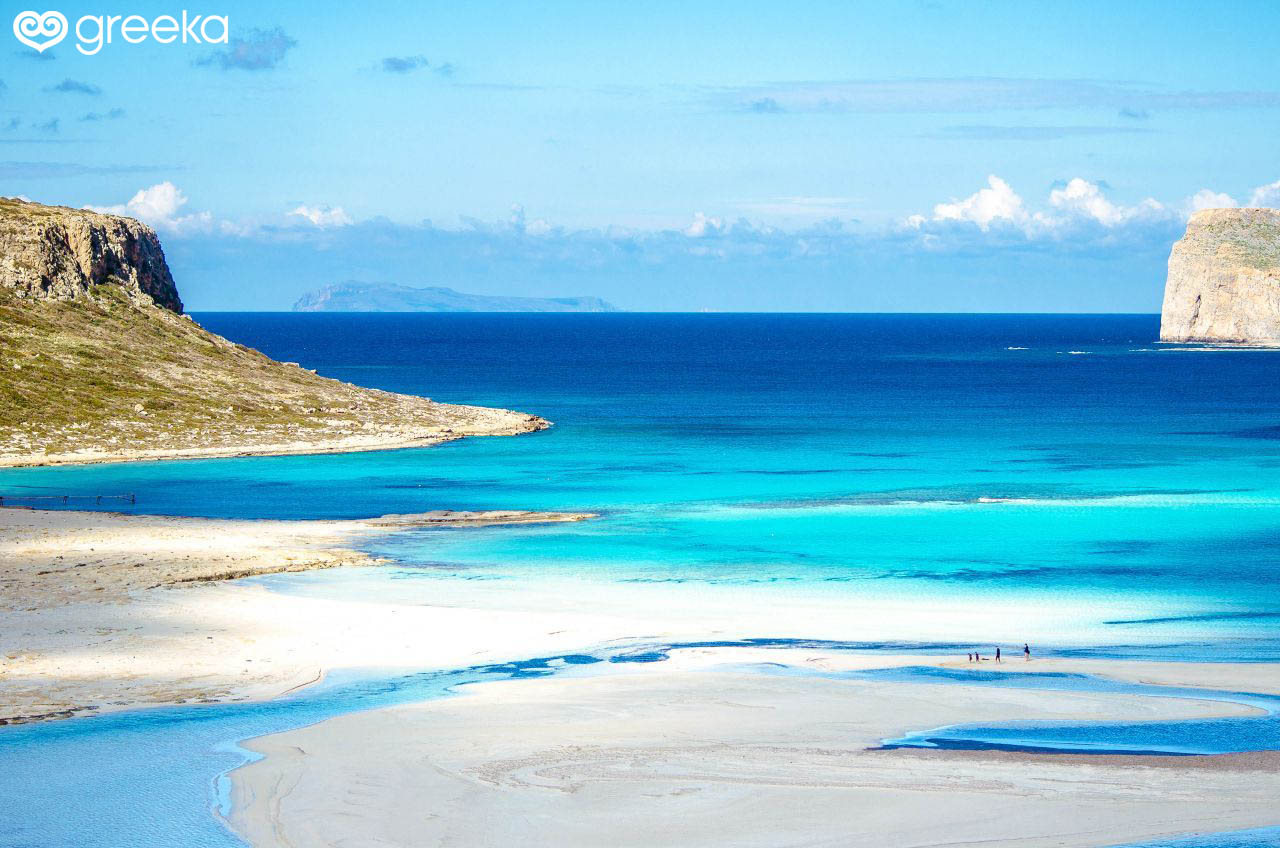
Best 20 Beaches on Crete island, Greece | Greeka
History buffs love sites like Knossos Palace, whispering tales of ancient Minoans. Foodies, rejoice: Fresh olive oil, feta, and seafood await in tavernas.
Nature calls with gorges like Samaria, offering hikes through stunning landscapes. Villages ooze charm, with friendly folks sharing stories over raki.
Sure, advisories exist, but Crete’s positives shine brighter. It’s a place where adventure meets serenity, proving travel’s rewards outweigh risks.
Exploring Historical Sites in Crete
Crete’s past is alive and kicking, making it a must for history lovers despite any “reisewarnung kreta.” Start with Knossos, the legendary palace linked to King Minos and the Minotaur myth. Wander its ruins, imagining ancient life.
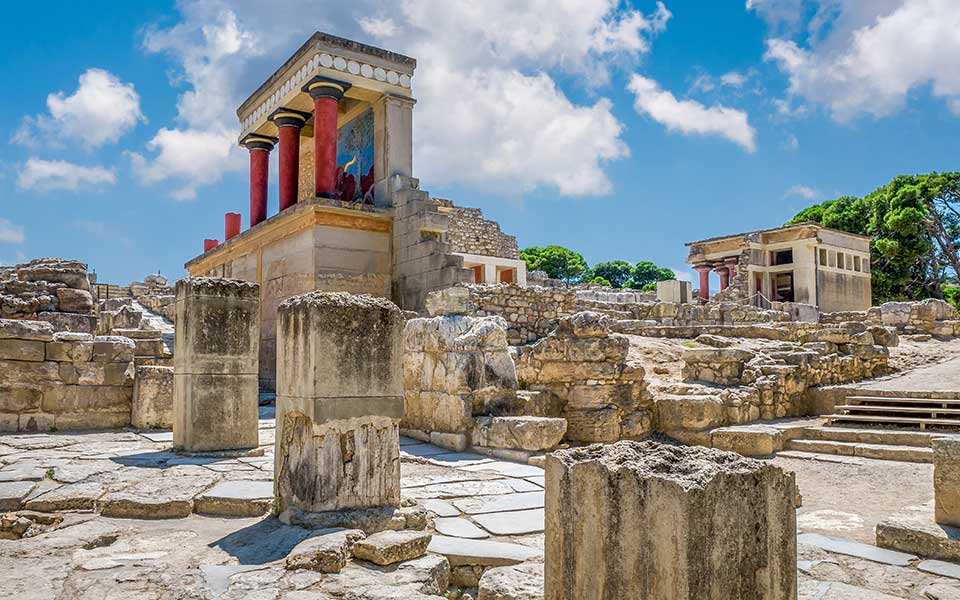
Five Must-Visit Archaeological Sites in Crete – Greece Is
Phaistos offers another Minoan gem, with disks holding mysterious scripts. Roman ruins in Gortyna show layers of empires. Monasteries like Arkadi stand as symbols of resistance.
Sub-headings help here:
Must-See Minoan Palaces
- Knossos: Europe’s oldest city vibes.
- Malia: Beachside ruins for a combo trip.
Byzantine and Venetian Influences
- Chania’s old town: Harbors and forts galore.
- Rethymno: Mosques and minarets blend cultures.
Visiting these builds trust in Crete’s enduring appeal.
Health and Medical Advice for Visitors
Health is wealth, especially under “reisewarnung kreta.” Greece’s system is solid, but prep pays off. Get travel insurance covering evacuations for fires or quakes.
Common issues: Sunburn—slather on SPF. Water safety: Drink bottled in remote spots. COVID rules? Mostly gone, but masks handy in crowds.
For meds, pack extras; pharmacies are everywhere. If allergies bite, know Greek for “hospital”: nosokomeio.
Optimistically, Crete’s fresh air and diet boost well-being. I’ve felt healthier there than anywhere!
Transportation and Getting Around Safely
Navigating Crete safely dodges “reisewarnung kreta” pitfalls. Ferries from Athens are scenic but check for strike delays.
Airports like Heraklion recover fast from disruptions. Rent cars for freedom, but drive defensively on winding roads.
Buses connect towns affordably. Taxis? Use apps for fairness.
Tips:
- Avoid night driving in rural areas.
- Have offline maps for signal drops.
With care, transport becomes part of the fun.
Alternatives and Planning Ahead
If “reisewarnung kreta” spikes, pivot gracefully. Nearby islands like Santorini offer similar vibes without issues.
Plan B: Mainland Greece—Athens’ Acropolis awaits.
Or stay put: Crete’s size means safer spots exist.
Book flexible tickets; insurance covers changes.
This flexibility shows expertise in travel planning.
FAQs
Here are five common questions about “reisewarnung kreta” to clear up doubts.
- What does reisewarnung kreta mean exactly? It’s a German term for travel warning to Crete, highlighting risks like fires or protests, but not always banning trips.
- Is it safe to travel to Crete in 2025? Yes, with normal precautions. Most advisories are low-level, and millions visit safely each year.
- How can I stay updated on reisewarnung kreta? Check sites like Auswärtiges Amt or US State Department regularly, and sign up for alerts.
- What if a wildfire happens during my trip? Follow local instructions, evacuate if told, and contact your embassy. Fires are managed quickly.
- Can I get a refund if reisewarnung kreta worsens? Depends on your insurance and booking terms; without an official ban, it might not apply, so read fine print.
Fazit
In wrapping up, “reisewarnung kreta” serves as a reminder to travel smart, not to avoid Crete altogether. This island’s beaches, history, and culture offer unforgettable experiences, far outweighing occasional alerts. By staying informed, preparing well, and embracing optimism, you’ll create memories that last a lifetime. Whether lounging on shores or exploring ruins, Crete welcomes you with open arms. So, pack your bags—adventure awaits beyond the warnings