Hey there, music lovers and culture enthusiasts! If you’ve ever flipped through a glossy issue or scrolled endlessly on a site packed with sharp takes on tunes, politics, and everything in between, chances are rolling stone magazine has crossed your path. Since bursting onto the scene in the late 1960s, rolling stone magazine has stood tall as one of the most influential publications out there. It’s not just a magazine—it’s a voice that captures the pulse of generations, blending killer journalism with bold visuals and unapologetic opinions. And honestly, in a world that’s always changing, rolling stone magazine keeps evolving while staying true to its roots. Let’s dive deep into what makes this icon tick, from its humble beginnings to its bright future ahead.
The Birth of a Legend: How Rolling Stone Got Started
Picture this: It’s 1967 in San Francisco, right in the thick of the counterculture explosion. A young guy named Jann Wenner, barely out of his teens and a Berkeley dropout, teams up with jazz critic Ralph J. Gleason. With just a few thousand bucks—mostly borrowed—they launch the first issue of rolling stone magazine on November 9th. The debut cover? None other than John Lennon, looking serious in a shot from his film How I Won the War.
Back then, the mag started as a biweekly newspaper-style rag focused on rock ‘n’ roll, but it quickly grew into something bigger. Wenner wanted to treat rock music seriously—like it was art worth dissecting, not just teenybopper fluff. And boy, did that pay off. Early issues mixed music reviews with sharp political commentary on the Vietnam War, civil rights, and more. It wasn’t long before rolling stone magazine became the go-to spot for anyone who felt the world was shifting under their feet.
Iconic Covers That Defined Eras
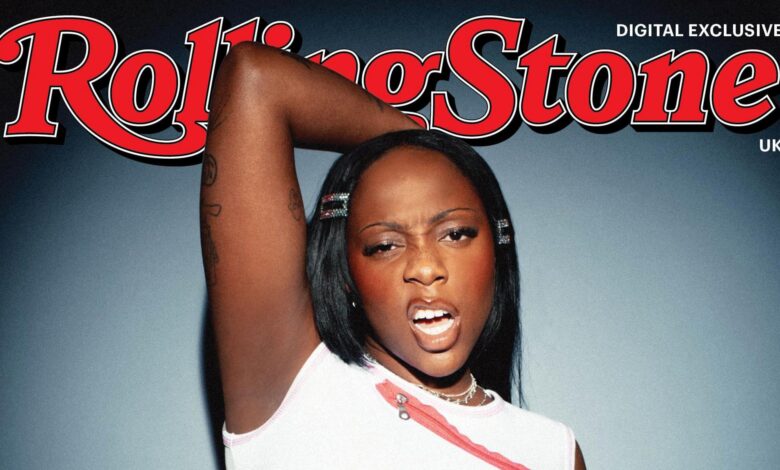
One thing’s for sure: when you think of rolling stone magazine, those eye-catching covers pop into mind first. Over the decades, they’ve turned into cultural landmarks—provocative, artistic, and sometimes downright controversial.

From the raw, counterculture vibes of the early days to glamorous shots of stars like Britney Spears or bold political statements, these covers have shaped how we see celebrities and events. Remember the Annie Leibovitz lens on John Lennon and Yoko Ono? Or the ones that sparked debates, like the Boston Marathon bomber or Janet Jackson’s iconic pose? They don’t just sell issues—they spark conversations that last years. And let’s be real, landing on a rolling stone magazine cover still feels like the ultimate stamp of arrival in music and pop culture.
Pioneering Journalism and Legendary Writers
What really sets rolling stone magazine apart isn’t just the pretty pictures—it’s the powerhouse writing inside. The mag pioneered long-form journalism that dove deep, no holds barred.
Take Hunter S. Thompson, the godfather of gonzo journalism. His wild, first-person pieces—like the legendary Fear and Loathing in Las Vegas, serialized in the mag starting in 1971—blurred lines between reporter and participant. Thompson’s chaotic trips through American politics and culture gave readers a raw, unfiltered view that mainstream outlets rarely touched.
Then there are the marathon interviews: think hours-long chats with everyone from Bob Dylan to Bill Clinton. These weren’t puff pieces; they were honest, sometimes brutal explorations of art, power, and personality. Writers like Tom Wolfe, Matt Taibbi, and others brought investigative grit, covering everything from Watergate echoes to modern scandals. It’s this commitment to fearless storytelling that built rolling stone magazine‘s reputation for authority and trust—you know you’re getting the real deal, warts and all.
Evolution Over the Decades: From Print to Digital Powerhouse
Fast-forward through the years, and rolling stone magazine has adapted like a pro. The 1970s brought glamour and excess, the 1980s and ’90s leaned into MTV-era pop and hip-hop, and by the 2000s, it tackled broader culture, tech, and streaming wars.
Ownership shifted too—Penske Media Corporation took full control after 2017, breathing fresh energy into the brand. Today, it’s a multi-platform beast: the website rolls out daily news, podcasts dive into deep discussions, and social channels keep the conversation buzzing. In 2025, mergers like the one with Vibe expanded its reach into rap and R&B even more. And with leaders like Gus Wenner stepping up, the future looks promising—more inclusive, more digital-savvy, yet still rooted in that classic edge.
Controversies That Shaped the Narrative
No story about rolling stone magazine would be complete without touching on the bumps along the road. Some covers stirred outrage, like the 2013 one featuring the Boston bomber that many called insensitive. Or the retracted 2014 UVA rape story that damaged credibility for a bit.
Founder Jann Wenner’s comments in recent years drew fire too, leading to his exit from certain boards. But here’s the optimistic part: these moments forced reflection and growth. The mag has owned mistakes, tightened standards, and emerged stronger—proving that even legends can learn and keep moving forward.
The Impact on Music, Politics, and Pop Culture
Let’s talk influence. rolling stone magazine didn’t just report on culture—it helped shape it. Lists like the 500 Greatest Albums or 100 Greatest Artists sparked endless debates (and arguments at family dinners). It championed emerging voices, from punk to hip-hop to indie scenes, giving them mainstream spotlight.
Politically, it never shied away from tough questions, endorsing candidates or calling out hypocrisy. And in pop culture? Covers turned unknowns into stars and kept icons relevant. Bottom line: when something big happens in music or society, rolling stone magazine is often right there, framing the moment for millions.
Rolling Stone Today: Thriving in a New Era
As we sit here in 2026, rolling stone magazine is firing on all cylinders. Under Penske, it’s expanded coverage, embraced video and podcasts, and stayed relevant amid streaming and social media shifts. Recent issues celebrate legends like the Grateful Dead while spotlighting fresh talents. The digital side? Explosive—daily updates, exclusive interviews, and a community that feels alive.
It’s exciting to see how rolling stone magazine balances heritage with innovation, proving print’s spirit lives on even as formats change. The optimism? This brand isn’t fading—it’s evolving, ready for whatever comes next.
Fazit
In the end, rolling stone magazine remains a beacon for anyone passionate about music, culture, and honest storytelling. From that scrappy San Francisco start to its global powerhouse status today, it has chronicled our world with wit, courage, and style. Here’s to many more years of groundbreaking covers, fearless features, and that unmistakable voice that keeps inspiring us all. Rolling stone magazine—still rolling strong, and we wouldn’t have it any other way.
FAQs
What year was rolling stone magazine founded? It kicked off in 1967, right in the heart of San Francisco’s counterculture scene.
Who founded rolling stone magazine? Jann Wenner and music critic Ralph J. Gleason launched it together with a shared love for rock and real journalism.
What makes rolling stone magazine covers so famous? They’re bold, artistic, and often provocative—capturing stars and moments in ways that become instant cultural icons.
Has rolling stone magazine faced any major controversies? Yes, like retracted stories or debated covers, but it has addressed them and continued to build trust through quality reporting.
Where can I read rolling stone magazine today? Online at rollingstone.com for daily news, or grab print subscriptions—it’s thriving in both digital and traditional formats!